What plastics are used in medical devices?
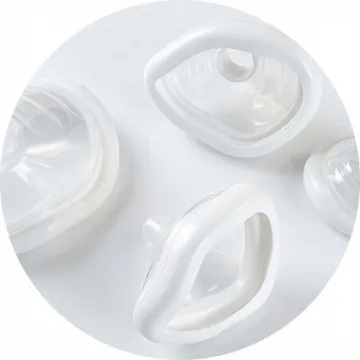
Medical devices commonly use biocompatible plastics including PETG (Polyethylene Terephthalate Glycol), medical-grade ABS (Acrylonitrile-Butadiene-Styrene), high-temperature ABS, and polystyrene. PETG offers excellent clarity, chemical resistance, and sterilization compatibility, making it ideal for diagnostic equipment housings and medical enclosures. Medical-grade ABS provides impact resistance and can withstand steam sterilization. Material selection depends on the specific application's requirements including sterilization method (autoclave, EtO, gamma radiation), biocompatibility standards (ISO 10993), chemical exposure, temperature resistance, and mechanical performance needs. Our engineering team helps evaluate these factors to recommend the optimal medical-grade plastic for your prototype and production requirements.
How quickly can you produce medical device prototypes?
We typically deliver medical device prototypes within 2-4 weeks depending on design complexity. Our process uses low-cost CNC-milled wood or polyurethane tooling that can be fabricated quickly compared to production aluminum molds. Once the master pattern is created and mounted on a mold base, prototypes can be thermoformed or fabricated within days. This rapid turnaround enables fast design validation, functional testing, and regulatory documentation preparation. For urgent medical device development timelines, we work closely with clients to expedite critical projects while maintaining the precision and quality standards required for healthcare applications.
Can prototype tooling be modified if design changes are needed?
Yes, one of the key advantages of our low-cost wood and polyurethane prototype tooling is the ease of modification. Unlike expensive aluminum production molds, wood patterns can be adjusted quickly based on testing feedback, design iterations, or regulatory requirements. If dimensional changes, feature additions, or material substitutions are needed after initial prototype evaluation, our CNC machining capabilities allow rapid modifications to the master pattern. This flexibility is especially valuable during medical device development where design refinement through iterative testing is essential. Once the design is finalized and approved, we transition to durable aluminum tooling for production using the validated pattern.
What is the cost difference between prototype and production tooling?
Prototype tooling using CNC-milled wood or polyurethane typically costs 60-80% less than production aluminum molds, making it highly cost-effective for design validation and testing. Wood or polyurethane patterns allow you to verify form, fit, and function without the significant upfront investment required for metal production tooling. This approach is particularly valuable for medical device development where designs may require multiple iterations to meet regulatory standards and functional requirements. Once prototypes are approved, we create production aluminum molds from the validated master pattern, ensuring consistency between prototype and production parts while amortizing tooling costs across volume manufacturing runs.
Do you provide assistance with medical-grade material selection?
Yes, our engineering team provides comprehensive guidance on selecting medical-grade plastics based on your device's specific requirements. We evaluate critical factors including biocompatibility standards (ISO 10993 compliance), sterilization method compatibility (autoclave, ethylene oxide, gamma radiation), chemical resistance to cleaning agents and bodily fluids, mechanical properties (impact strength, tensile strength, flexibility), temperature resistance, regulatory requirements, and cost considerations. We work with materials like medical-grade PETG, ABS, high-temperature polymers, and other FDA-compliant plastics. Our expertise ensures your prototype uses materials suitable for both functional testing and eventual regulatory submissions, avoiding costly redesigns due to material incompatibility.
What size medical device prototypes can you accommodate?
Our eight thermoforming machines range from 2'x3' to 5'x9', accommodating medical device prototypes from small diagnostic equipment components to large medical equipment enclosures and housings. Our two 5'x10' CNC trimming centers provide precision finishing for parts of various sizes. Whether you need compact device housings, equipment covers, medical storage trays, or larger diagnostic equipment enclosures, we have the capacity and expertise to prototype your design. For fabricated parts requiring assembly or complex secondary operations, our 20,000+ square foot facility provides ample space for custom medical device component production at virtually any scale within our equipment parameters.
Can you transition from prototypes to production manufacturing?
Absolutely. Hill Plastics supports medical device manufacturers from initial prototyping through high-volume production. Once your prototypes are approved and validated through testing, we transition to production-grade aluminum tooling created from your approved master pattern. This ensures dimensional consistency between prototype and production parts. Our facility includes advanced equipment like our 4'x7' rotary thermoforming machine with cycle times 2.5 times faster than standard machines, enabling cost-effective high-volume production. We maintain quality control systems that monitor production through all stages, ensuring medical device components meet specifications for appearance, dimensional accuracy, and performance throughout the manufacturing lifecycle.
What secondary operations are available for medical prototypes?
We offer comprehensive secondary operations including precision CNC trimming to exact specifications, precision drilling for mounting holes and fastener preparation, heat bending for complex geometries, bonding and welding for multi-part assemblies, threaded insert installation, edge finishing and deburring, and assembly of multiple components. Our two 5'x10' CNC trimming centers ensure dimensional accuracy critical for medical device testing and regulatory compliance. These secondary operations are performed in our controlled environment to maintain cleanliness standards appropriate for medical components. All processes are quality controlled to ensure prototypes accurately represent final production parts and meet the stringent requirements of medical device applications.